

In most cases, water damage can increase at a rate that is unexpected. The halting of a small leak or a burst pipe spreads through floors, walls, and furniture in a few hours. The more it is left, the better. Here’s the thing. Speed is everything when it comes to the amount of damage to be taken care of.
That is where water mitigation comes in. It is aimed at the prevention of damage, elimination of water, and prevention of further complications such as mold or weakening of the structure.
Emergency Response and Inspection
A quick response is the initial water mitigation measure. The workers come to observe the scene and know the extent of the water spread.
They examine obvious damages and also examine concealed water behind walls and beneath the flooring. Thermal imaging devices and moisture meters are used to identify those areas that cannot be noticed initially.
This simply means that they do not treat what you can see. They recognize the extent of the entire problem prior to commencing any work.
Water Extraction and Removal
When the inspection has been done, the emphasis is put on removing standing water. This move must occur within a short time.
Special pumps and vacuums remove water from floors, carpets, and other infected zones. This is aimed at extracting as much water as possible within the shortest time.
Quickened extraction minimizes damage and minimizes the chances of mold growth. It also gives room to the next step in the process.
Drying and Dehumidification
Squeezing off the surface water is not all. The moisture can be confined within such materials as insulation, wood, and drywall.
Industrial air movers and dehumidifiers are used by professionals to dry such areas as much as possible. Evaporation is accelerated by air circulation, and the excess moisture is removed by the dehumidifiers.
This is a time-consuming step that is essential. What this simply means is that the area should be totally dry before proceeding to other areas. Failure to take this step will result in long-term problems.
Cleaning and Sanitizing
Water contamination is a common effect, especially when the source is sewage or external flooding. The clean water can still give rise to bacteria if it is not treated.
Washing and sanitizing eliminate germs and do away with the smell. Special solutions are used by professionals to clean the surfaces and reestablish a secure environment.
Preventing Mold Growth and Focusing Repairs
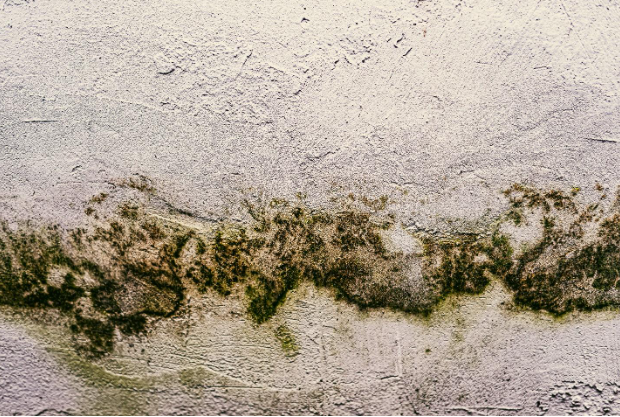
The development of mold can begin in a very short time when in contact with water. Drying, cleaning, and good ventilation all contribute to the reduction of the risk. In other scenarios, specialists use the treatments that prevent the development of molds.
Water mitigation is aimed at preventing the destruction; however, in most cases, repairs are required for the houses. As soon as the area is safe and dry, the professionals see what should be restored.
This can involve the replacement of drywall, floor repair, or repainting of walls. Other products can be fixed, whereas others require a replacement.