
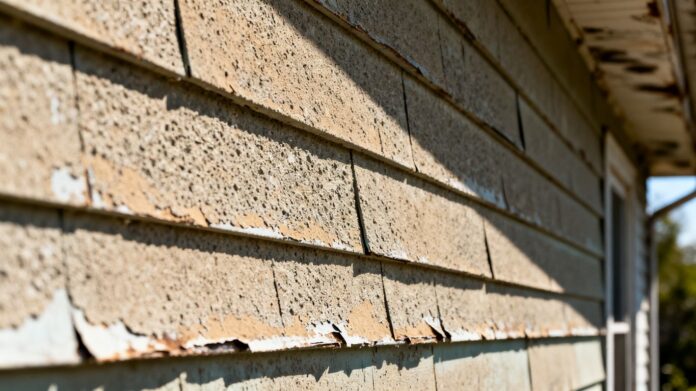

History and Common Uses of Asbestos Siding
Asbestos-cement siding became a popular building material, especially after World War II, due to its perceived benefits. Builders and homeowners alike appreciated its durability, fire resistance, and ability to withstand weather and pests. This made it a go-to choice for many homes constructed between the 1940s and the early 1980s. The siding typically came in shingles, often measuring 12×24 inches, and was designed to mimic the look of wood or other materials. Its widespread use means many older homes still have this material on their exteriors.
Composition and Characteristics of Asbestos Siding
Asbestos siding is primarily composed of Portland cement mixed with asbestos fibers. This combination created a material that was strong, rigid, and resistant to fire and decay. Visually, these shingles often have a dense, somewhat brittle feel and may exhibit a chalky texture. They can appear in various shades of gray or tan, and some might even have patterns designed to resemble wood grain. When tapped, asbestos-cement siding tends to produce a sharp, high-pitched sound, distinct from the duller sound of wood or vinyl. If a shingle breaks, the edges are often rough and flaky.
Health Risks Associated With Asbestos Exposure
The primary concern with asbestos siding is the potential release of microscopic asbestos fibers into the air. This risk is not present when the siding is intact and undisturbed. However, activities like cutting, drilling, sanding, or breaking the material can release these fibers. When inhaled, asbestos fibers can become lodged in the lungs and other tissues, potentially leading to serious health issues over time. These can include asbestosis, lung cancer, and mesothelioma. It is important to note that these diseases often have a long latency period, meaning they may not appear for many years after exposure. The danger is associated with friable asbestos, which can be crumbled by hand, unlike the non-friable, bound fibers in intact siding.
Recognizing the Condition of Asbestos Siding
When you own an older home, especially one built between the 1940s and 1970s, you might find yourself looking at the siding and wondering about its composition. Asbestos-cement siding was a popular choice for decades because it was durable and fire-resistant. The key thing to remember is that intact asbestos siding generally poses no health risk. The danger arises when the material is disturbed, which can release microscopic fibers into the air. Understanding the current state of your siding is the first step toward safe management.
Signs of Deterioration and Damage
It’s important to regularly check your siding for any signs that it might be breaking down. This doesn’t mean you need to get up close and personal with it; a visual inspection from the ground is often enough to spot potential issues. Look for:
- Cracks and Chips: These are often the most visible indicators that the siding is weakening. A cracked shingle or a chipped corner can be an entry point for fiber release if the material is disturbed.
- Crumbling or Powdering: If you notice areas where the siding appears to be turning to dust or powder, especially if it looks like it could crumble under light pressure, this is a significant warning sign. This indicates the material is becoming friable.
- Water Damage: Persistent moisture can weaken the cement binder in the siding. Look for signs like discoloration, softness, or swelling, which suggest the material’s integrity is compromised.
- Excessive Wear: A surface that looks chalky, faded, or worn down might mean the protective outer layer has degraded, exposing the asbestos fibers more directly to the elements.
Difference Between Friable and Non-Friable Asbestos
Understanding the terms ‘friable’ and ‘non-friable’ is key when assessing asbestos siding. Non-friable asbestos-containing materials are those that, when dry, cannot be crumbled, pulverized, or reduced to powder by hand pressure. Intact asbestos siding typically falls into this category. Friable asbestos, on the other hand, can be easily broken down into a powder by hand pressure. If your siding is crumbling or looks like it’s turning to dust, it has likely become friable. This distinction is critical because friable asbestos is far more likely to release fibers into the air when disturbed. If you suspect your home has asbestos siding, it’s important to be cautious due to its age and potential health risks [49d1].
Risks of Disturbing Damaged Siding
Disturbing damaged asbestos siding is where the real risk lies. Activities like scraping, drilling, cutting, or even attempting to remove a broken piece can release asbestos fibers into the air. Once airborne, these fibers can be inhaled, leading to serious long-term health issues, including lung cancer and mesothelioma. Therefore, if you observe any signs of deterioration, the safest approach is to avoid any physical contact with the material. Instead of trying to fix it yourself without proper knowledge, it is often best to leave it undisturbed until you can get a professional assessment. Before buying a home with asbestos siding, arrange for a professional inspection and asbestos testing to assess its condition and make an informed decision [dad6].
Safe Assessment Practices for Homeowners
When dealing with older homes, it’s common to encounter materials that might contain asbestos, especially in the siding. Before you consider any work like cutting or washing, a careful assessment is necessary. The primary goal during this initial assessment is to observe without disturbing the material. This means looking closely at the siding from a safe distance, noting its condition, but refraining from any physical contact that could release fibers.
Visual Inspection Without Physical Contact
A thorough visual inspection is the first step. Walk around your home and observe the siding. Look for signs of wear and tear, such as cracks, crumbling, or missing pieces. Pay attention to how the material looks – is it intact, or does it appear to be deteriorating? Remember, the less the siding is disturbed, the lower the risk of fiber release. This passive approach helps gather information without creating a hazard.
How to Identify Potential Asbestos Siding
While visual inspection can raise suspicions, definitively identifying asbestos siding often requires professional help. However, certain characteristics can be indicators. Asbestos siding, often made of cement, can look like wood shingles or clapboard but may feel harder and more brittle. If the siding is visibly damaged, cracked, or crumbling, it warrants further investigation. For homeowners seeking clarity, an asbestos home inspection can provide peace of mind and actionable information.
When to Obtain Laboratory Testing
If your visual inspection reveals signs of deterioration, or if you have strong suspicions about the siding’s composition, laboratory testing is the most reliable way to confirm the presence of asbestos. Do not attempt to collect samples yourself, as this can be dangerous. Instead, contact a qualified professional who can safely collect and submit samples for analysis. This step is critical before undertaking any repair, cleaning, or removal activities. Hiring trained professionals is always recommended for any work involving suspected asbestos materials, as they understand the proper procedures and safety precautions. You can find lists of qualified professionals through your state’s regulatory agencies, which is crucial for protecting your family from asbestos exposure.
Repair and Maintenance of Asbestos Siding on Old Homes
When it comes to working with asbestos siding, not every small issue means a full-scale replacement is needed. Knowing how and when to handle these repairs can really save a homeowner from bigger headaches down the line. Here’s a closer look at what’s reasonable as a DIY job, what’s best left to professionals, and how to stay safe each step of the way.
When DIY Repair Is Appropriate
For folks who like to fix things themselves, very limited repairs may be okay, but there are some strict boundaries. Minor cracks in one to three shingles that aren’t crumbling or generating dust are the only cases where a careful homeowner might consider a DIY fix. The siding should be non-friable, meaning the material doesn’t crumble with simple hand pressure. Anything more than that—like brittle, powdery shingles or damage over bigger areas—should be left to an expert. Projects like replacing a whole wall’s worth of broken shingles or anything tied to a renovation usually call for someone licensed. For those unsure, this asbestos shingle siding repair overview can help clarify where that line is.
Proper Safety Gear and Methods for Minor Repairs
If it looks like a DIY repair is appropriate, safety has to be the top priority. Here are the basics for doing minor work with asbestos siding:
- Wear disposable coveralls, gloves, and a half-face respirator with P100 filters.
- Thoroughly wet any area to be touched or cut to keep dust down (never try to sand, saw, or aggressively scrape—wet methods only).
- Use hand tools, not power tools, and patch cracks with exterior cement instead of drilling or nailing directly into the asbestos cement.
- Clean up thoroughly: keep all clothing and gear separate and double-bag any debris for proper disposal as hazardous waste.
Gentle preparation is key—anything that might create dust, like sanding or forceful scraping, needs to be avoided. If you’re unsure about a specific method, look up safe exterior patching strategies to avoid the release of hazardous fibers, as suggested in this advice on safe repair precautions.
When to Hire a Licensed Asbestos Professional
Some situations are simply out of the average homeowner’s hands. If the material is soft or crumbling, or if the job means cutting, demolishing, or disturbing a lot of siding at once, it’s time to bring in a pro. In fact, it’s not just good sense—it’s often required by law. Licensed asbestos contractors have special training and equipment. They’ll make sure your home stays safe and follows all local, state, and federal guidelines.
Call a licensed professional when:
- Damage affects more than a handful of shingles or covers large surfaces
- Siding feels soft, turns to powder, or releases visible dust
- The project involves major changes, additions, or demolition
- You aren’t positive about what’s safe or about the rules for handling asbestos
Letting the experts handle these jobs isn’t just for your health; it also protects your home from legal or insurance trouble if issues pop up later. For any big siding repairs or renovations, bringing in a licensed asbestos professional is the right move.
Cleaning and Encapsulating Asbestos Siding
When asbestos siding is in good condition, meaning it’s not crumbling or visibly damaged, cleaning and painting it can be a practical way to maintain its appearance and offer some protection. The primary goal is to avoid disturbing the material and releasing asbestos fibers. Aggressive cleaning methods like pressure washing or dry scraping are strictly prohibited because they can turn the siding into a dust hazard. Instead, a gentle approach is recommended.
For cleaning, start by wetting the siding with a garden hose. Use a soft brush and a mild detergent mixed with water. Work in small sections, keeping the surface wet throughout the process to minimize airborne dust. Rinse thoroughly with low-pressure water. This careful cleaning helps prepare the surface for further treatment.
Painting asbestos siding, often referred to as encapsulation, is a good strategy for sealing in any potential loose fibers and protecting the material from further weathering. It also provides a fresh look for your home. The process involves several steps:
- Preparation: Ensure the siding is clean and completely dry. Any minor cracks or chips should be addressed with appropriate patching compounds designed for cementitious materials.
- Priming: Apply a high-quality bonding primer specifically formulated for masonry or cement surfaces. This step is vital for ensuring good paint adhesion to the dense siding material.
- Painting: Apply at least two coats of a premium 100% acrylic exterior paint. For enhanced durability and a thicker protective layer, consider using an elastomeric paint. This type of paint can bridge small hairline cracks and offers superior weather resistance. Painting asbestos siding can significantly extend its life and improve your home’s curb appeal.
Encapsulation is a way to manage asbestos siding in place, offering a long-term solution that avoids the risks and costs associated with removal. It’s important to remember that while cleaning and painting can seal the material, the asbestos remains present. Future renovations or repairs that disturb the siding will still require careful planning and potentially professional intervention.
Covering or Removing Asbestos Siding Safely
When dealing with asbestos siding, homeowners often face the decision of whether to cover it or remove it entirely. Both approaches have distinct implications for safety, cost, and future property value. It is important to understand the proper procedures for each to avoid health risks and comply with regulations.
The Enclosure Method: Installing New Siding Over Asbestos
The enclosure method involves installing new siding directly over the existing asbestos material. This is frequently seen as a safer and more economical choice because it leaves the asbestos undisturbed. Popular materials for this include lightweight vinyl siding and durable fiber-cement siding, both available in various styles. The process typically involves:
- Repairing or removing any loose or badly damaged asbestos shingles before proceeding.
- Installing furring strips (thin strips of wood or metal) vertically over the asbestos siding. These strips create a level surface and a solid nailing base for the new siding.
- Attaching the new siding to the furring strips, completely covering the old asbestos material. Proper flashing and ventilation are crucial to prevent moisture buildup between the layers.
This method provides a fresh, modern look while keeping the asbestos safely contained. However, it is important to note that the presence of the underlying asbestos siding will likely need to be disclosed to future buyers. For homeowners considering this option, understanding the differences between various siding materials can be helpful.
Legal and Safety Considerations for Removal
Removing asbestos siding is a complex process that requires strict adherence to safety protocols and legal regulations. Attempting removal without proper training and equipment can lead to serious health consequences due to the release of airborne asbestos fibers. Professionals are trained and certified to handle hazardous materials safely. They operate under regulations such as EPA NESHAP and OSHA standards. Key considerations include:
- Hiring Licensed Professionals: Always verify that contractors hold a specific state license for asbestos abatement, not just a general contractor’s license. They should also provide proof of worker training and carry asbestos liability insurance.
- Containment: A containment area is established using plastic sheeting and warning signs, often with negative air pressure systems to prevent fiber escape.
- Wet Methods: The siding is kept saturated with amended water during removal to suppress dust and fiber release.
- Proper Disposal: Removed material is double-bagged, labeled as hazardous waste, and transported to an approved disposal facility. Professionals provide disposal manifests as legal proof of proper handling.
Professional Asbestos Abatement Procedures
Professional asbestos abatement is a highly controlled process designed to ensure safety and compliance. When extensive damage is present, or the material is friable (crumbling), professional intervention is non-negotiable. The procedures typically involve:
- Establishing a containment zone using heavy plastic sheeting and warning signs.
- Utilizing negative air pressure systems with HEPA filters to control airborne particles.
- Workers wearing extensive protective gear, including P100 respirators and full-body coveralls.
- Employing wet methods to keep the siding saturated and minimize fiber release during removal.
- Immediate double-bagging and labeling of removed materials.
- Thorough cleaning of the work area with HEPA vacuums and damp cloths.
- Professional transportation and disposal of hazardous waste, with documentation provided to the homeowner.
This meticulous process is why professional help is essential for any significant asbestos siding work. For homeowners needing to manage asbestos concerns, consulting with experts is the safest path forward. The CDC’s asbestos resource offers further health information.
Long-Term Considerations for Homes With Asbestos Siding
When a home features asbestos siding, thinking about the future is important. It’s not just about the immediate condition of the material, but how it impacts future projects and the overall value of the property. The presence of asbestos siding can influence decisions about renovations, repairs, and even the sale of the home.
Disclosure Requirements During Property Sales
When it comes time to sell a house that has asbestos siding, transparency is key. In many places, sellers are legally required to disclose the presence of asbestos-containing materials to potential buyers. This disclosure allows buyers to make informed decisions and understand any potential future work or risks involved. Failing to disclose can lead to legal issues down the line. It’s wise to understand the specific regulations in your area regarding asbestos disclosure. This is a critical step in a smooth property transaction.
Evaluating Energy Efficiency and Future Renovations
Asbestos siding, while durable, might not offer the same energy efficiency as modern materials. If you’re planning to upgrade your home’s insulation or improve its overall energy performance, the asbestos siding can complicate matters. Disturbing it during renovations can be costly and requires specialized handling. Covering it with new siding is an option, but it’s important to consider how this affects the wall assembly. For instance:
- Does the wall need better flashing around windows and doors?
- Are there any air leaks that should be sealed?
- Is the underlying sheathing in good condition, or does it need repair?
Addressing these questions during a siding project can improve comfort and durability for years to come. Planning these upgrades alongside any siding work can be more cost-effective in the long run.
Choosing the Best Option for Your Home’s Value
Deciding what to do with asbestos siding involves weighing several factors. The material’s condition is a primary concern; intact siding poses less risk than damaged material. However, even stable siding can present challenges for future work. Options range from leaving it undisturbed, encapsulating it with paint, covering it with new siding, or undertaking professional abatement. Each choice has different implications for cost, safety, and the long-term value and usability of your home. For instance, covering the siding can be a practical way to update the look and avoid disturbing the asbestos, but the material remains present. This can affect future renovations, such as window replacements or additions, which will require careful planning. Ultimately, the best approach depends on the siding’s condition, your renovation plans, and your budget. Consulting with asbestos professionals can help you make the most informed decision for your specific situation. Understanding the risk associated with asbestos siding is the first step in managing it effectively.