

Indoor air quality plays a major role in overall comfort, health, and daily wellbeing inside the home. Many people spend most of their time indoors, especially during periods of extreme weather, making clean and healthy air increasingly important. However, homeowners often focus mainly on heating and cooling performance while overlooking how HVAC systems directly affect indoor air conditions.
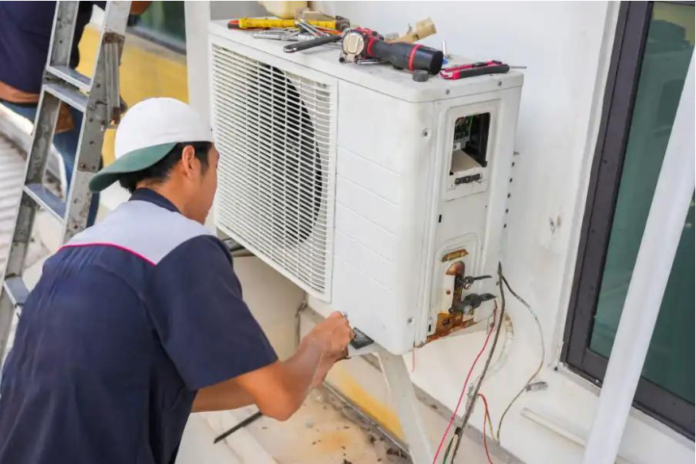
Heating and cooling systems continuously circulate air throughout the home. As air moves through filters, vents, and ductwork, dust, allergens, moisture, and airborne particles can either be filtered properly or redistributed throughout indoor spaces. Without regular maintenance, HVAC systems may gradually contribute to declining indoor air quality. Many homeowners schedule a regular HVAC system tune-up to improve airflow, reduce airborne dust, and maintain healthier indoor air quality throughout the year.
Routine HVAC servicing helps maintain cleaner airflow, balanced humidity, and more efficient ventilation. Small maintenance habits and professional inspections often make a noticeable difference in creating a fresher and healthier indoor environment.
How HVAC Systems Influence Indoor Air Quality
HVAC systems do far more than regulate indoor temperatures. They also influence airflow circulation, humidity levels, ventilation, and airborne particle movement throughout the home. When systems operate efficiently, they help filter contaminants and maintain balanced indoor conditions. However, neglected systems may gradually spread dust, allergens, and pollutants through vents and ductwork.
Several factors commonly affect indoor air quality through HVAC operation, including dirty air filters, restricted airflow, excessive humidity, dust buildup inside ducts, and poor ventilation circulation. Over time, these issues may contribute to stale indoor air, increased dust accumulation, and reduced overall comfort.
Why Poor Airflow Creates Indoor Air Problems
Restricted airflow prevents HVAC systems from circulating and filtering air effectively. Dust and airborne particles can accumulate more quickly when airflow becomes weak or uneven. Poor airflow may also force HVAC systems to work harder, increasing strain on internal components while reducing overall efficiency.
The Role of Clean Air Filters in Healthier Air
Air filters are one of the most important parts of maintaining cleaner indoor air. Their primary purpose is to trap airborne contaminants before they circulate throughout the home. Over time, filters collect dust, pollen, pet dander, lint, and other microscopic particles. When filters become clogged, airflow becomes restricted and the system struggles to filter air effectively.
Several benefits of clean HVAC filters include:
- Reduced airborne dust circulation
- Improved airflow throughout the home
- Better HVAC efficiency
- Lower allergen exposure indoors
- Cleaner indoor living conditions
Replacing filters regularly helps support healthier air while improving system performance at the same time.
Signs Air Filters Need Attention
Dirty filters often create noticeable warning signs throughout the home. Weak airflow, rising dust levels, unusual odours, and reduced heating or cooling performance commonly indicate that filters require replacement. Regular filter inspections help prevent these issues from worsening over time.
Why Routine HVAC Maintenance Helps Prevent Air Quality Problems
Routine HVAC maintenance helps remove contaminants that gradually accumulate inside the system. Dust buildup, moisture, and restricted airflow can all negatively affect indoor air quality if ignored for long periods. Professional servicing improves airflow performance while ensuring internal components remain clean and operational.
Several maintenance tasks commonly performed during routine HVAC servicing include: cleaning coils, checking airflow efficiency, inspecting drain systems, testing thermostat accuracy, and removing dirt buildup from internal components. Preventative maintenance also helps identify hidden issues before they begin affecting overall indoor comfort and air quality.
What Happens During a Professional Tune-Up
Technicians typically inspect multiple areas of the HVAC system during a tune-up. This process helps ensure the system operates efficiently while maintaining cleaner airflow throughout the home. Routine inspections also reduce the likelihood of unexpected HVAC problems during periods of heavy seasonal use.
How HVAC Service Helps Control Indoor Humidity
Humidity levels have a significant impact on indoor comfort and air quality. Excess moisture inside the home can create uncomfortable conditions while increasing the risk of mould and mildew growth. HVAC systems help regulate humidity by removing excess moisture from indoor air during cooling cycles. However, poorly maintained systems may struggle to manage humidity effectively.
Several signs of poor indoor humidity control include:
- Sticky or damp indoor air
- Condensation near windows or vents
- Musty indoor odours
- Increased mould or mildew growth
- Uneven room comfort levels
Routine maintenance helps HVAC systems maintain more balanced humidity levels throughout the year.
Common Indoor Air Pollutants HVAC Systems Can Circulate
Indoor air often contains a variety of airborne contaminants that accumulate gradually over time. HVAC systems may either help remove these particles or spread them further if maintenance is neglected. Dust and pet dander are among the most common indoor pollutants. Pollen, mould spores, cooking particles, and household debris may also circulate through vents and ductwork.
Several contaminants commonly affected by HVAC performance include:
- Dust particles
- Pet hair and dander
- Pollen and allergens
- Mould spores
- Household debris and lint
Proper airflow and clean filtration systems help reduce the circulation of these airborne pollutants.
Why Dirty HVAC Systems Spread More Contaminants
Neglected HVAC systems often accumulate dirt and debris inside filters, coils, and ductwork. As airflow passes through these contaminated areas, particles may continue circulating throughout the home. Regular servicing helps minimise this buildup while improving overall air circulation.
Simple Habits That Support Cleaner Indoor Air
Homeowners can support better indoor air quality with several simple daily and seasonal habits. Replacing air filters regularly remains one of the most effective steps. Keeping vents unobstructed and maintaining clean indoor spaces also helps reduce airborne dust and debris.
Several practical habits that support cleaner indoor air include:
- Replacing HVAC filters regularly
- Vacuuming and dusting frequently
- Keeping vents clear of obstructions
- Monitoring indoor humidity levels
- Scheduling seasonal HVAC inspections
Small preventative habits often make a noticeable difference in maintaining fresher and healthier indoor air.
Conclusion
Indoor air quality is closely connected to HVAC system performance. Clean filters, balanced airflow, proper humidity control, and routine maintenance all contribute to healthier indoor living conditions. Without regular servicing, HVAC systems may gradually circulate dust, allergens, and airborne contaminants throughout the home while losing efficiency over time.
By scheduling routine maintenance, replacing filters regularly, and addressing airflow issues early, homeowners can improve comfort, support healthier indoor air, and maintain more reliable HVAC performance throughout every season.