
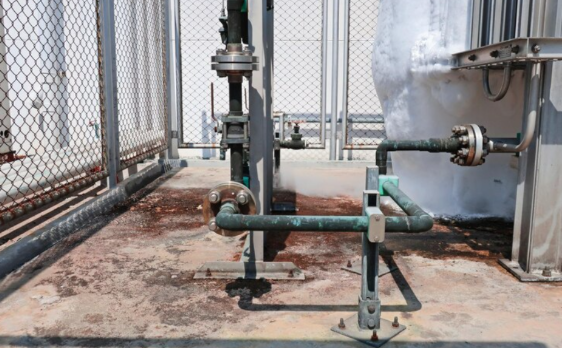

In large commercial buildings, managing wastewater efficiently is essential for maintaining a clean, safe, and healthy environment. One of the most important systems that supports this process is the lift station system, which moves wastewater from lower to higher elevations for proper disposal. When this system fails or becomes overloaded, it can quickly lead to serious hygiene and safety problems. This is where commercial emergency lift station pumping plays a critical role in preventing damage, controlling waste overflow, and ensuring smooth operations in commercial properties.
Understanding Commercial Emergency Lift Station Pumping
Commercial buildings such as shopping malls, office complexes, hotels, and industrial facilities rely on lift stations to transport wastewater when gravity alone is not enough. These systems use pumps to move sewage and wastewater to treatment or disposal areas.
However, lift stations can fail due to power outages, mechanical breakdowns, blockages, or heavy system load. In such situations, commercial emergency lift station pumping is used as a rapid response service to restore function. It involves removing excess wastewater, clearing blockages, and ensuring that the system continues to operate without causing overflow or contamination.
Preventing Health Hazards in Commercial Spaces
One of the biggest risks of a failed lift station is the overflow of untreated wastewater. This can create serious health hazards, including the spread of bacteria, unpleasant odors, and contamination of surrounding areas. In commercial environments where many people gather daily, such risks can quickly escalate.
By using commercial emergency lift station pumping services, businesses can prevent wastewater from spilling into public or working areas. Quick pumping and system recovery help maintain a sanitary environment, reducing the risk of illness and ensuring that employees, customers, and visitors remain safe.
Reducing Property Damage and Operational Disruption
Wastewater overflow does not only affect hygiene; it can also cause significant damage to property. Carpets, flooring, walls, and electrical systems can be severely affected if sewage is not controlled quickly. Cleaning and repairing such damage can be expensive and time-consuming.
Emergency pumping services help minimize these risks by removing wastewater before it spreads. This fast intervention reduces downtime for businesses and allows operations to continue with minimal interruption. For commercial properties, maintaining continuous operations is essential for productivity and customer satisfaction.
Supporting Environmental Responsibility and Compliance
Modern commercial properties are required to follow strict environmental and sanitation regulations. Improper handling of wastewater can lead to violations, fines, and damage to a company’s reputation. Emergency lift station pumping helps ensure that wastewater is managed correctly even during system failures.
By quickly addressing emergencies, these services help prevent untreated waste from entering the environment. This supports compliance with local regulations and promotes responsible waste management practices, which are increasingly important for sustainable business operations.
Ensuring Long-Term System Performance
While emergency pumping is often used in urgent situations, it also plays a role in maintaining the long-term health of lift station systems. Regular response and maintenance help identify potential issues such as blockages, pump wear, or system overload before they become major problems.
Businesses that rely on commercial emergency lift station pumping benefit from improved system reliability and reduced risk of unexpected breakdowns. This proactive approach helps extend the lifespan of equipment and ensures consistent performance.
Conclusion
Commercial properties depend heavily on lift station systems to manage wastewater efficiently and safely. When these systems fail, the consequences can be serious, affecting hygiene, safety, property condition, and business operations. Commercial emergency lift station pumping provides a fast and effective solution to these problems by controlling overflow, restoring system function, and preventing contamination. It not only protects health and property but also supports regulatory compliance and long-term system reliability. For any commercial facility, having access to reliable emergency pumping services is an essential part of maintaining a safe and well-functioning environment.