
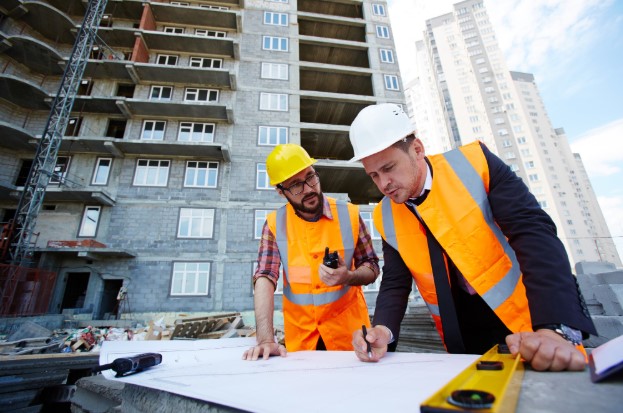

Every successful construction project starts, well, with proper planning. Whether it is a residential home, a commercial building, or even a larger infrastructure project, careful planning helps reduce mistakes, keep costs under control, and move everything more efficiently.
Construction work involves many moving parts, including design decisions, budgeting, scheduling, and day-to-day communication. When smart planning methods are used, builders and project managers often run projects more smoothly and achieve better outcomes.
Set Clear Project Goals
Everyone in the loop should understand the purpose, budget, timeline, and expected results. When the goals are clear, it becomes easier to guide decisions through the entire process. It also reduces confusion so that architects, engineers, contractors, and property owners are all aiming for the same targets rather than different versions of the plan.
Story Pole Design
A story pole design is a practical planning method used before construction begins. Story poles are temporary structures set on the jobsite, used to show the proposed height, size, and location of the future structure.
This visual approach makes it easier for stakeholders to imagine how the finished building will look in its surroundings. Property owners, neighbors, planners, and local authorities can review what’s planned and give feedback before anything is built.
Using a story pole design can also flag potential issues earlier, such as blocked views, building-scale issues, or needed design adjustments. Catching these items early can prevent costly revisions later and improve how everyone communicates throughout the process.
Create a Detailed Budget
A well-prepared budget is key to successful construction planning. So, project teams need to estimate costs for materials, labor, permits, equipment, and other expenses way before they even start work.
Proper budget planning prevents unexpected financial issues and ensures resources are used wisely. Reviews are vital too; checking the budget regularly keeps spending in line throughout the whole project.
Make a Realistic Schedule
Keeping track of time is super important in planning, too. With a detailed project schedule, you outline when each part of the project gets done. This helps prevent delays and lets managers organize tasks more effectively. Plus, good scheduling means having materials, workers, and equipment ready when you need them.
Do Thorough Site Evaluations
Site checks are crucial before beginning construction. They help assess conditions such as soil quality, drainage, access routes, and environmental issues. Nailing down these site factors early lets teams prepare properly and dodge surprises later on. Comprehensive assessments mean safer and more efficient building in the end.
Use Modern Technology
Tech is super helpful in construction planning. Software for digital design, project management, and communication really boosts accuracy and teamwork. These tools let the crew swap info fast, track progress, and tweak things as needed. That usually means finishing up projects better and being more productive, too.
Maintain Strong Communication
Solid communication is key for all the pros involved in building projects. It keeps everyone updated and on the same page. Regular meetings, updates, and clear reports can help avoid confusion and keep teams working well. Great communication frequently nails project completion.